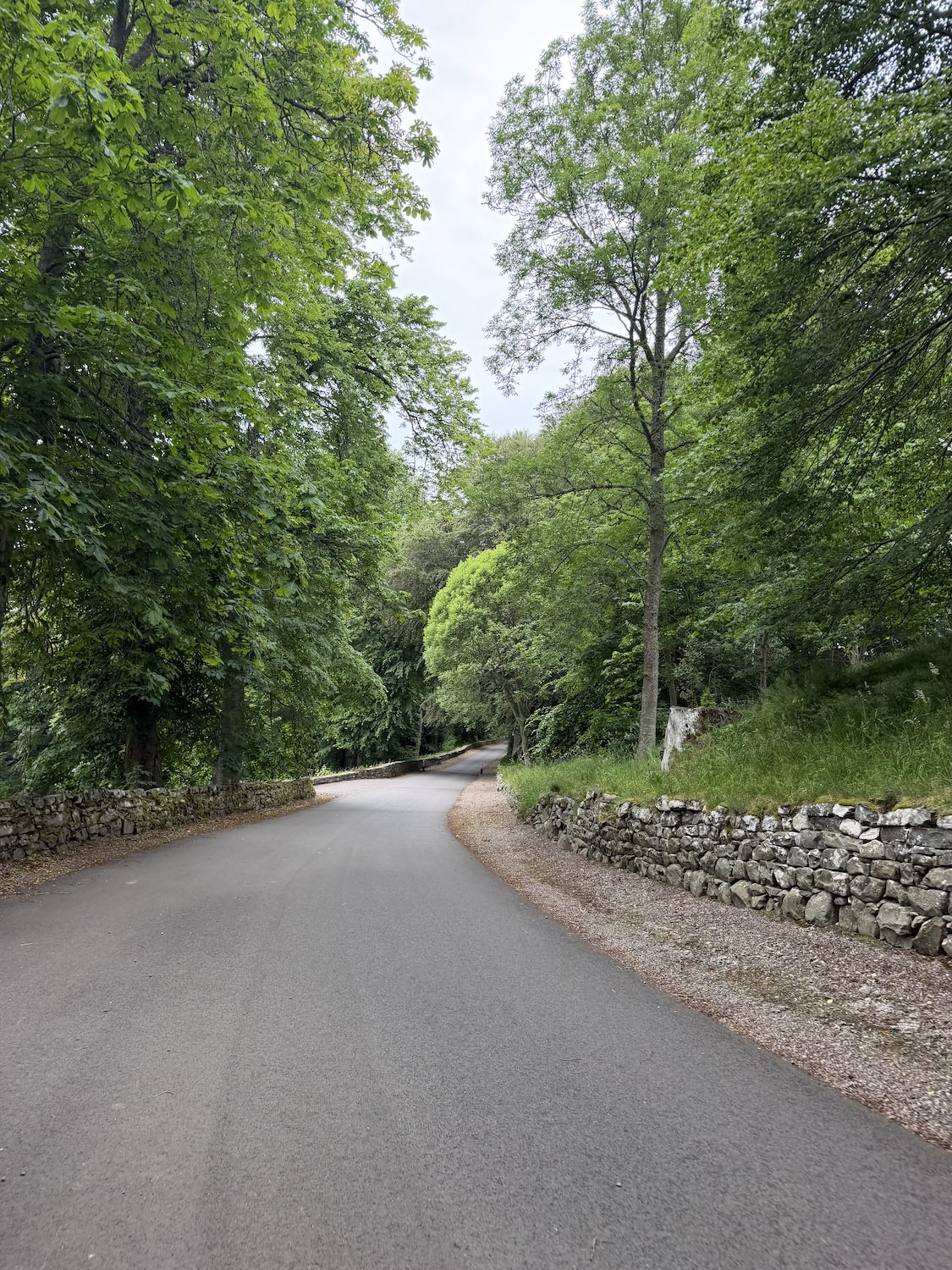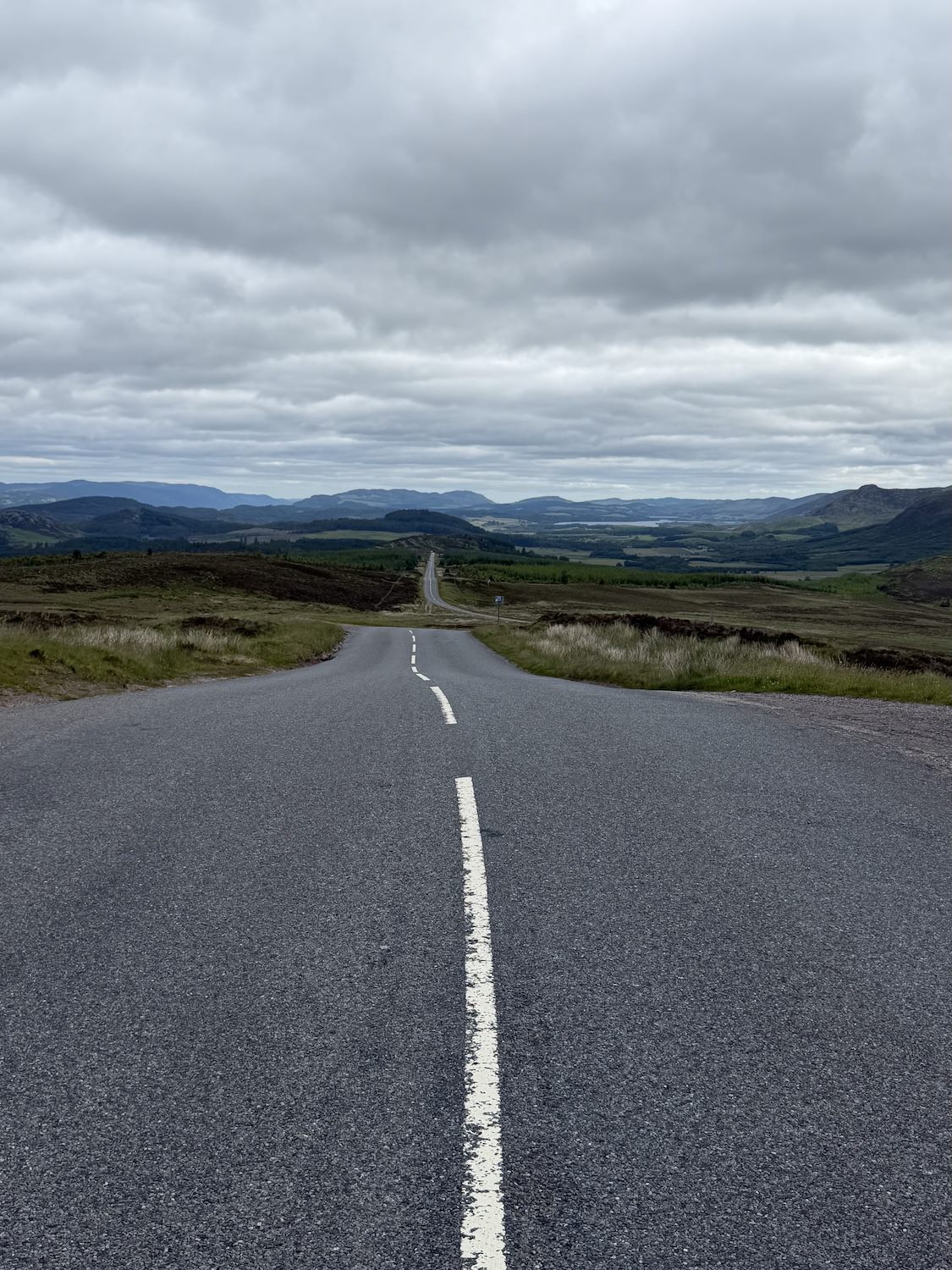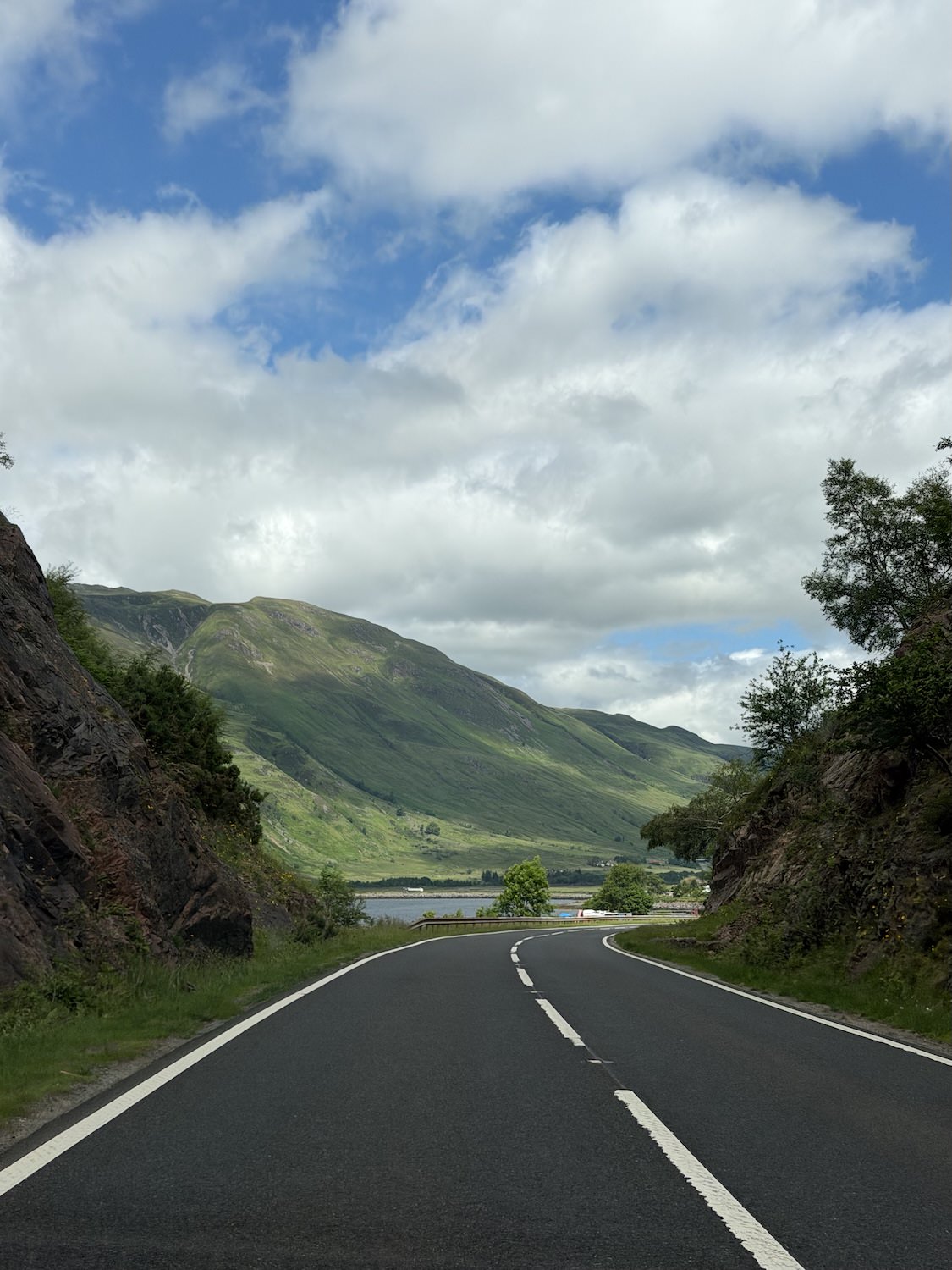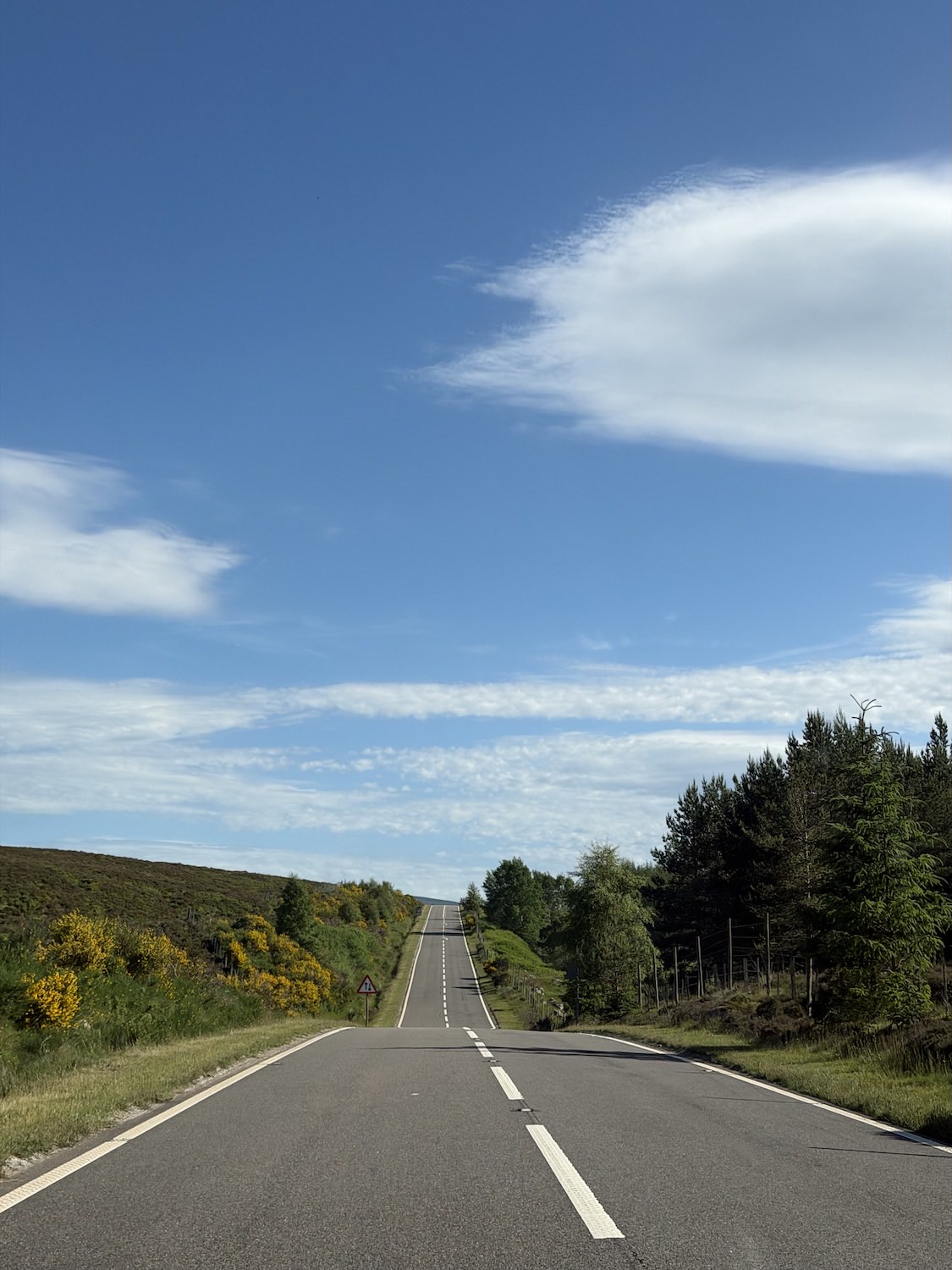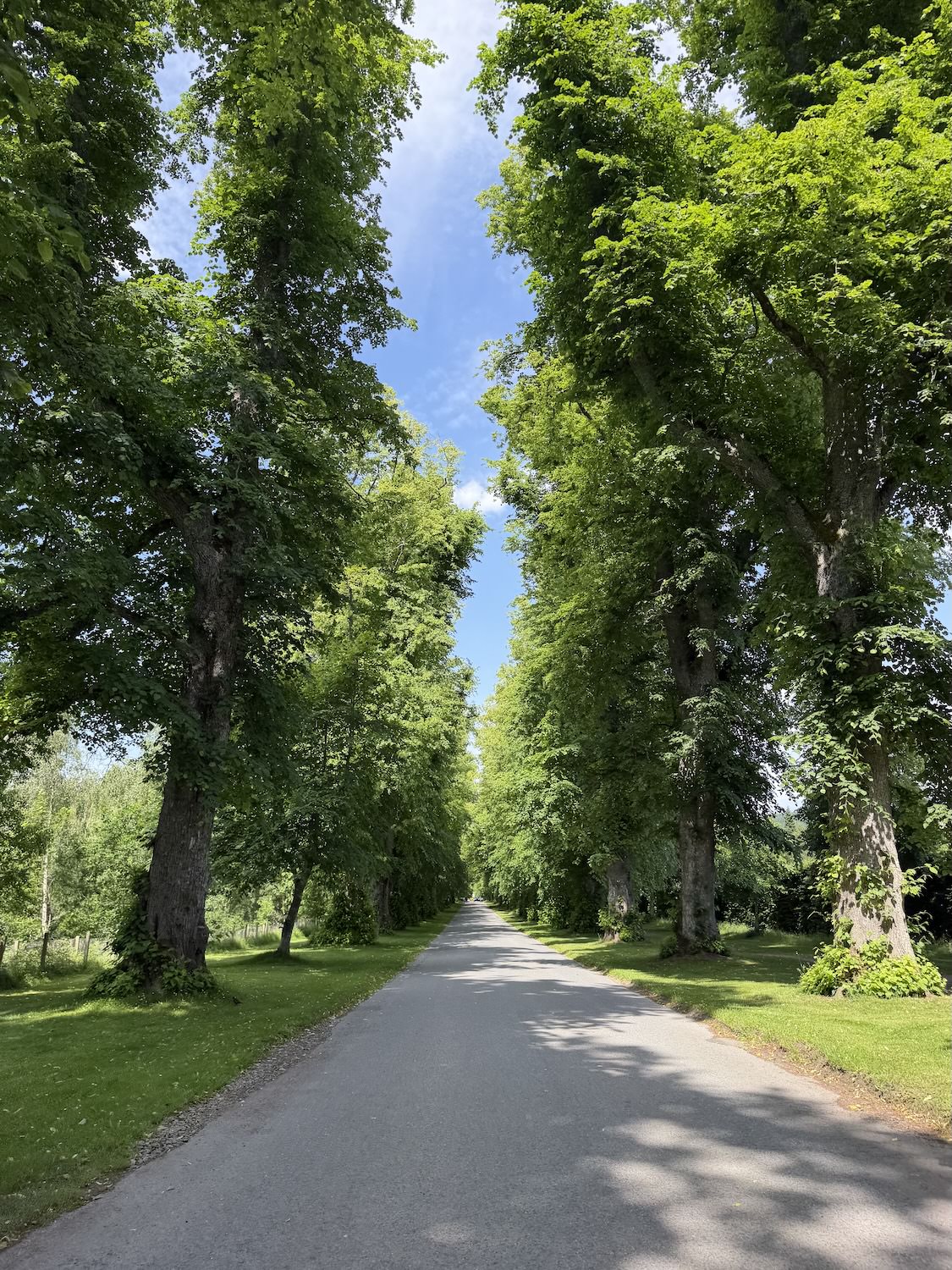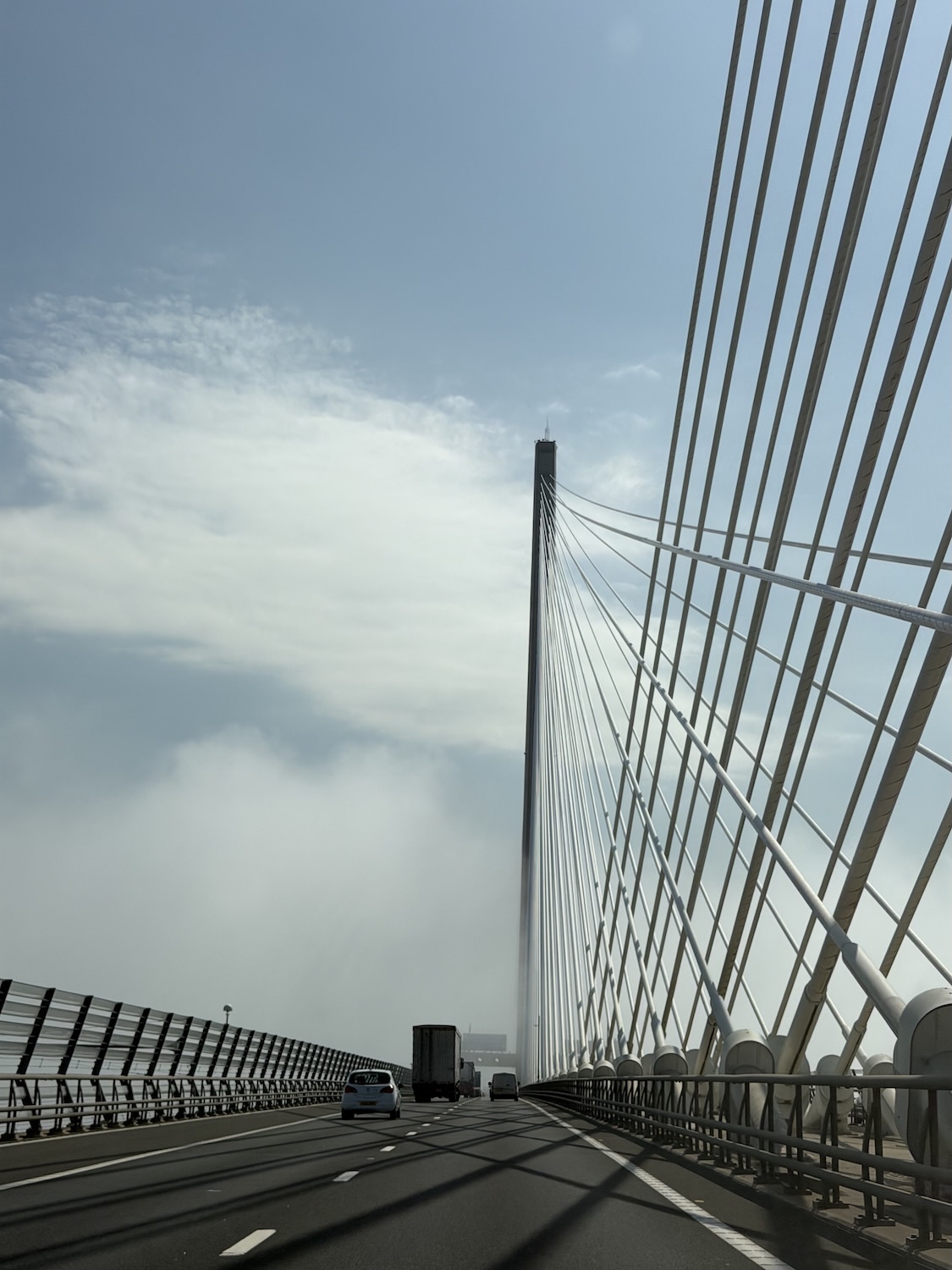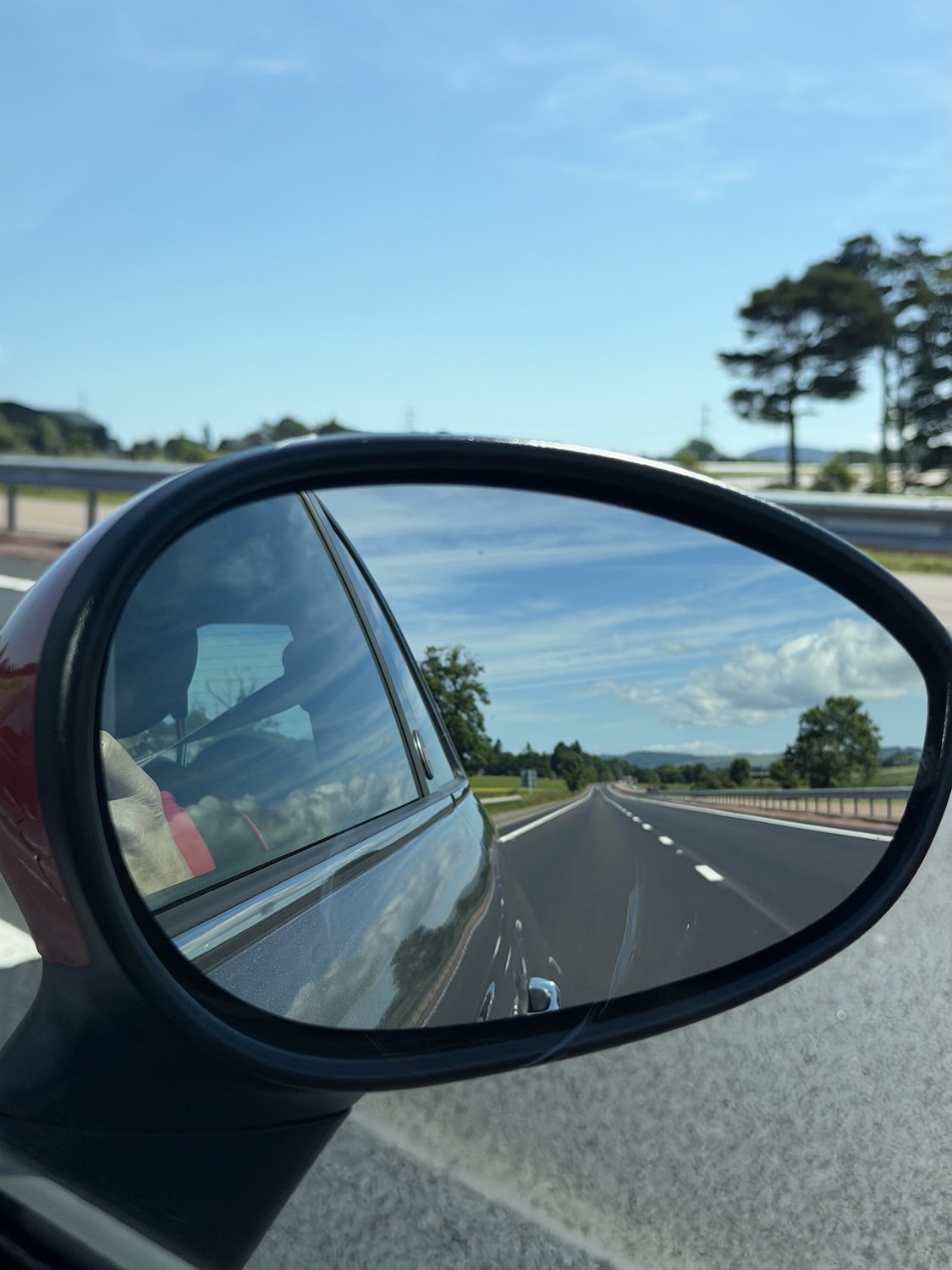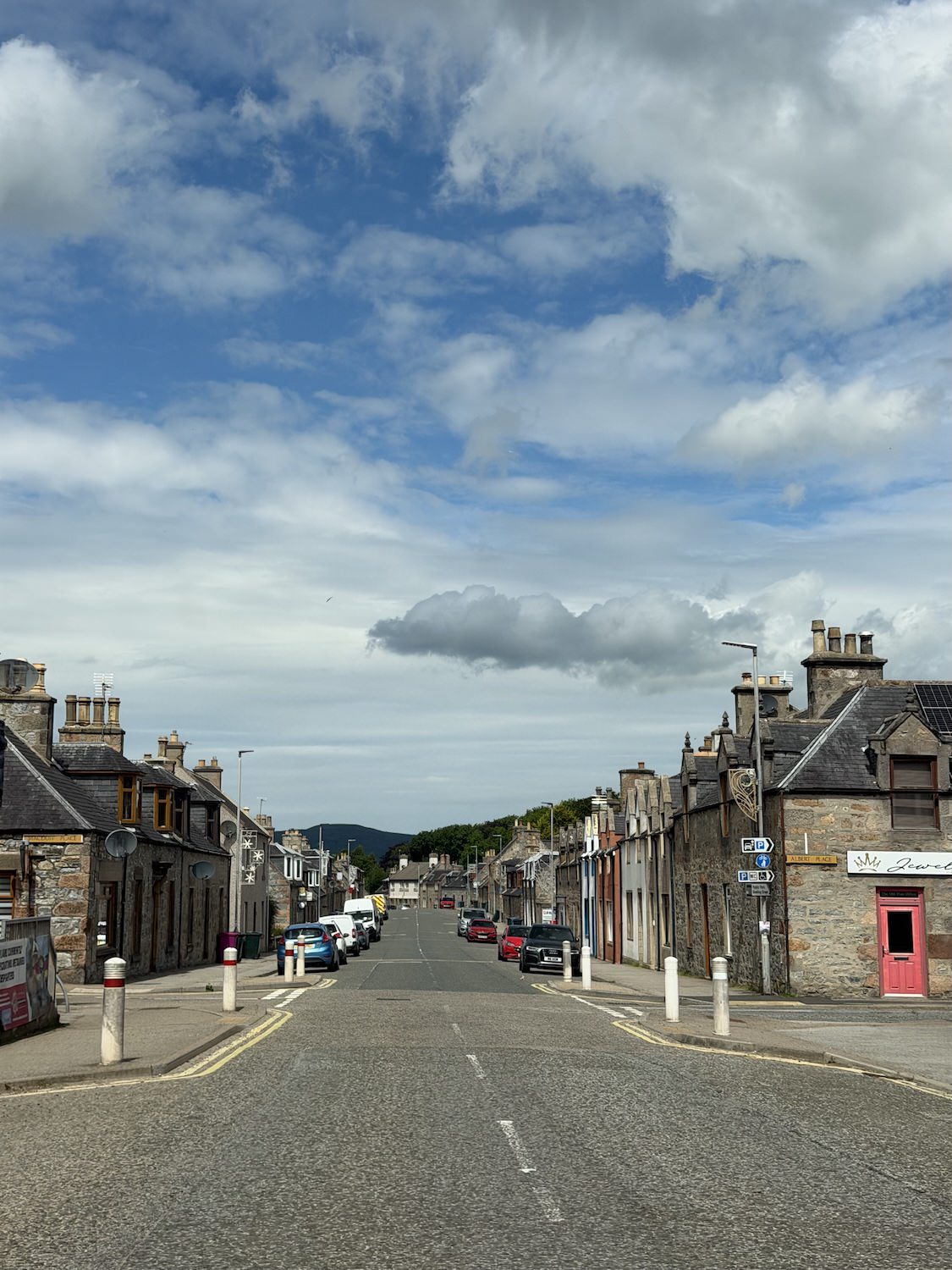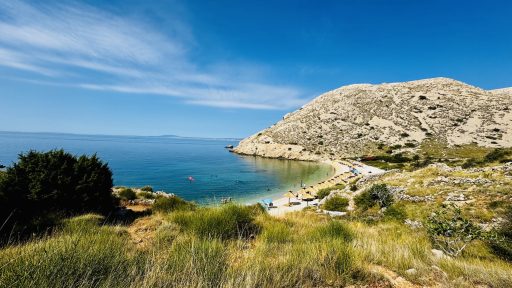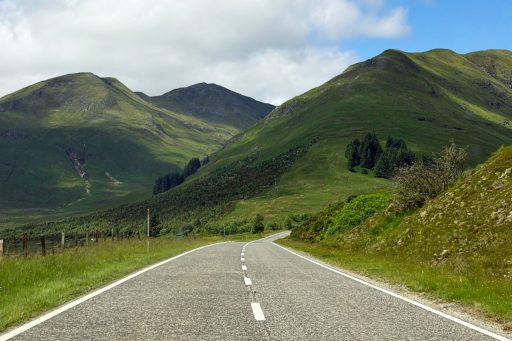
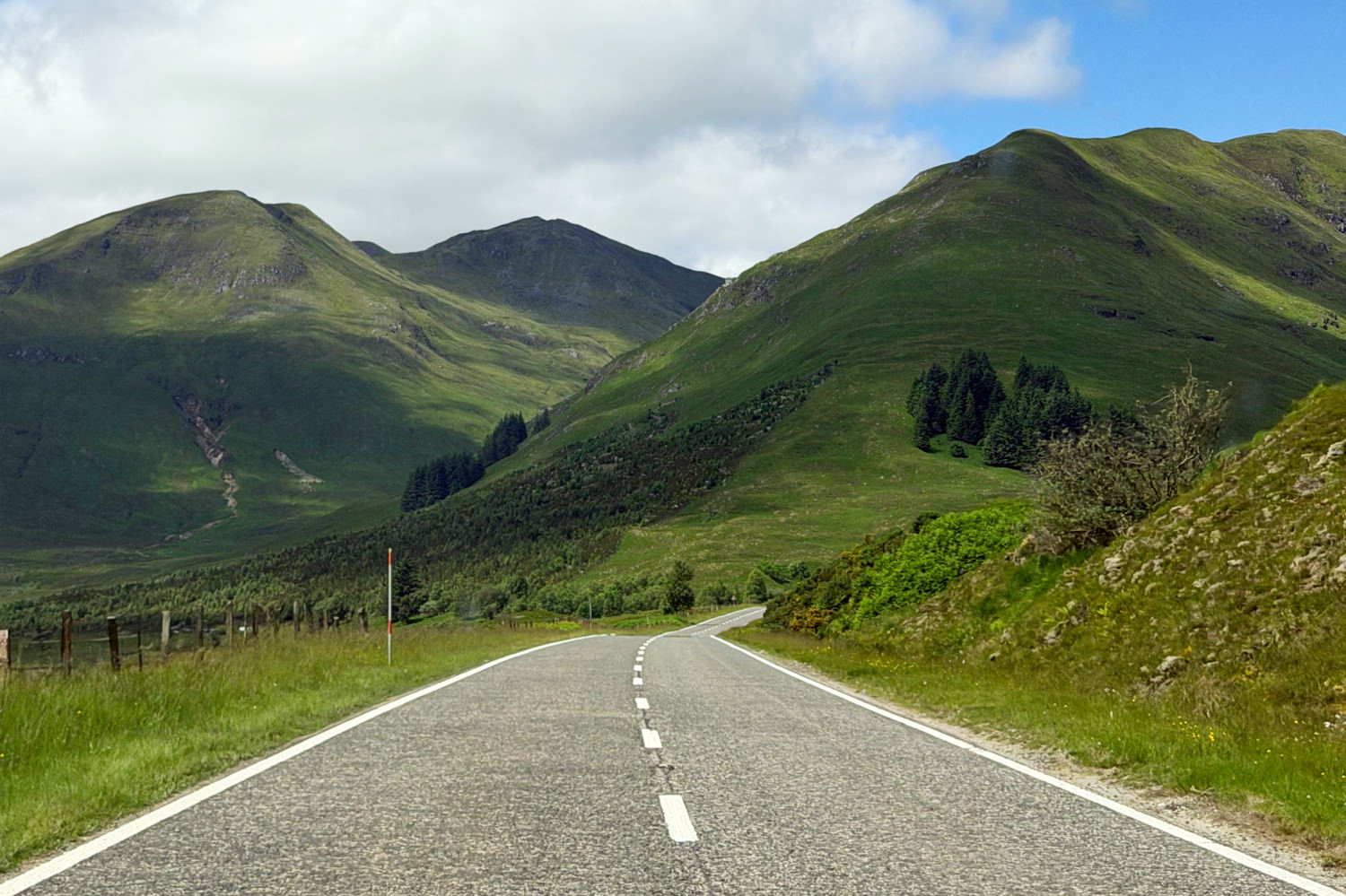
When I got into a hire car a few days ago and started getting used to driving on the left, I was expecting all sorts of things. Narrow roads, lots of roundabouts, the odd stressful situation and a fair bit of adjustment. But after almost 2,000 kilometres on Scottish roads, I can confidently say something quite different. Driving in Scotland is a pleasure. Above all because drivers respect the rules of the road, and because driving culture is at a far higher level than I am used to at home. Add the beautiful landscape and you have a recipe for safety, as the figures confirm. Around 4,000 road accidents happen in Scotland each year, compared with more than 20,000 in Slovenia (2 million versus 5.5 million).
What surprised me most was the respect for speed limits. If the limit in a built-up area is 20 mph, which is roughly 32 kilometres per hour, then everyone drives at 20 mph. Not 25. Not 30. Nobody looks for excuses as to why they should be allowed to drive faster. The limit is not a recommendation, it is a rule.
The same applies on motorways. The limit is 70 mph, or roughly 113 kilometres per hour. Nobody comes flying past at 150 kilometres an hour, nobody sits on your bumper or tries to force you out of the overtaking lane by flashing their lights. In fact, the overtaking lane is empty most of the time. People use it only when they are genuinely overtaking someone slower, then return to the driving lane. It really can be that simple.
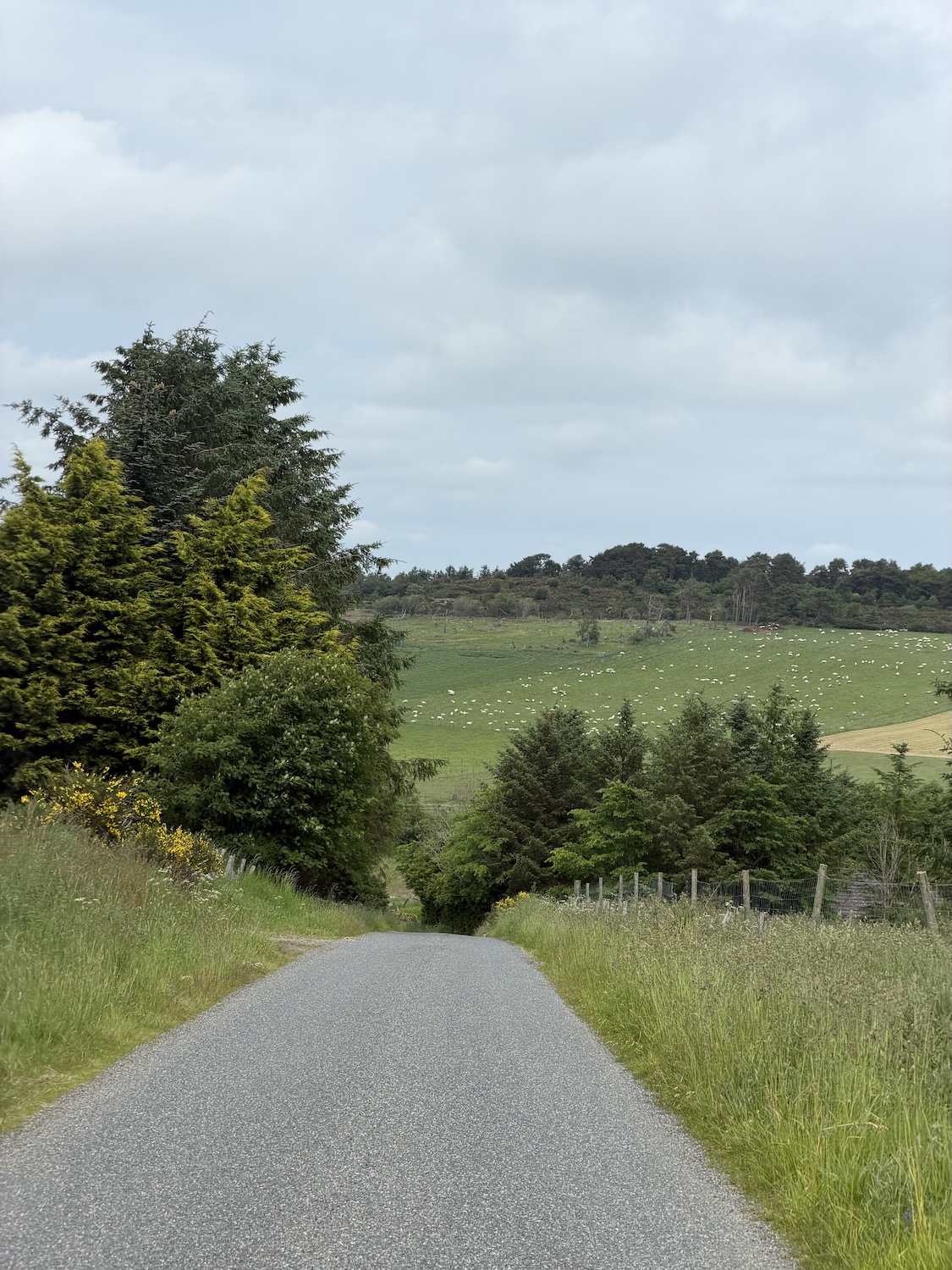
Single-track roads are a story of their own, and Scotland has plenty of them. Especially in the Highlands and on the islands. Every few hundred metres, they have passing places. When two vehicles meet, one driver pulls into a passing place and waits for the other to go by. No honking, no bad temper and no measuring who has more right to the road. Better still, almost every driver acknowledges the gesture with a raised hand. A small courtesy that says a great deal about the culture of the people.
The regional roads are something special too. They often run through completely open countryside, without crash barriers, high protective panels or the feeling that traffic infrastructure is holding your hand at every turn. Yet driving is not stressful. Drivers adjust their speed to the conditions and understand that a road is not a racetrack.
At the entrances to many villages, I noticed interesting signs. They do not say there is a speed camera or a fine ahead. They simply say: “Thank you for driving carefully.” Thanks instead of threats. Trust instead of punishment. It may seem an insignificant difference to some, but I find it highly revealing.
Of course, not every driver in Scotland is perfect either. There must be people who drive too fast or do something stupid. But in almost 2,000 kilometres of driving, I virtually never encountered such a case. I did not see reckless overtaking, I was not honked at over trifles, and I never felt I had to constantly defend myself against other road users. And even if you get confused at a junction or roundabout, they stoically wait for you to drive on.
Perhaps the reason is stricter enforcement. Perhaps it is different road safety education. Or perhaps simply a different mindset, one in which driving is not a competition but a way for everyone to reach their destination safely.
When I think of Slovenian roads after such an experience, the difference is rather obvious. At home, we often hear that everyone except those actually responsible is to blame for road safety. Driving in Scotland gave me the feeling that drivers themselves make the biggest difference. The rules of the road are there to be respected, not to find ways around them. Perhaps that is the greatest lesson we could take from Scottish roads.