1,300 kilometres. Verona, Lake Garda – Sirmione, Bergamo – Città Alta, Genoa, Portofino, Brescia and Lake Iseo. Three days in Italy, quite a few kilometres, countless beautiful views and, above all, stress-free driving. Then you come back to Slovenia, where someone nearly runs you off the road within five kilometres of joining the motorway. Welcome home!
- Tesla After 65,000 km: I No Longer Think About Driving an Electric Car. I Just Drive a Car.
- Driving in Scotland is a pleasure and drivers respect the rules of the road
- FSD Supervised now in Croatia too
Italy is one of those countries I always enjoy returning to. Not just for its cities, architecture and food, but also for that sense that nobody is in any great hurry to get anywhere. Which is a rather odd thing to say about a country whose drivers clearly have an innate ability to communicate using the horn. Well, they did. Times are obviously changing, and “vafankulo” is no longer part of the Highway Code.
This time, I covered around 1,500 kilometres, roughly 1,300 of them in Italy. In a Tesla. When I used to travel, I calculated how much I would spend on fuel. Now I mostly calculate how much the Italians are going to charge me in tolls. The difference is almost absurd. €44 for electricity and €107 for tolls. Yes, you read that correctly.
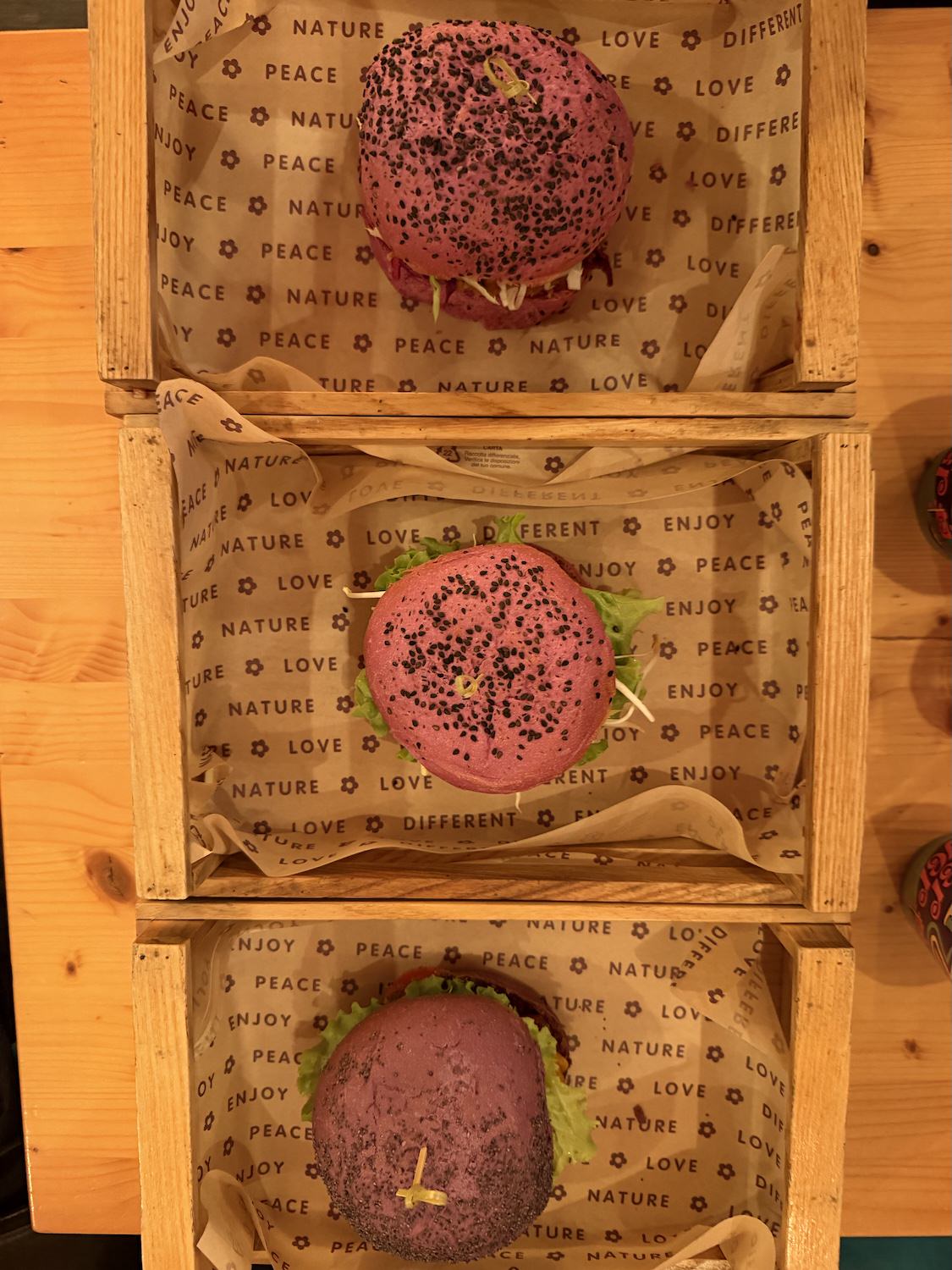
First stop: Verona. A stop at Flower Burger. Vegan burgers in Italy? Yes, please. Flower Burger is one of those places that proves vegan food stopped being just salad and a few vegetables on a plate a long time ago. Colourful burgers, interesting combinations and a concept that shows fast food can work without animal ingredients. To me, it is a far more interesting culinary stop than yet another classic Italian pizzeria. And worth driving 350 kilometres for a burger.
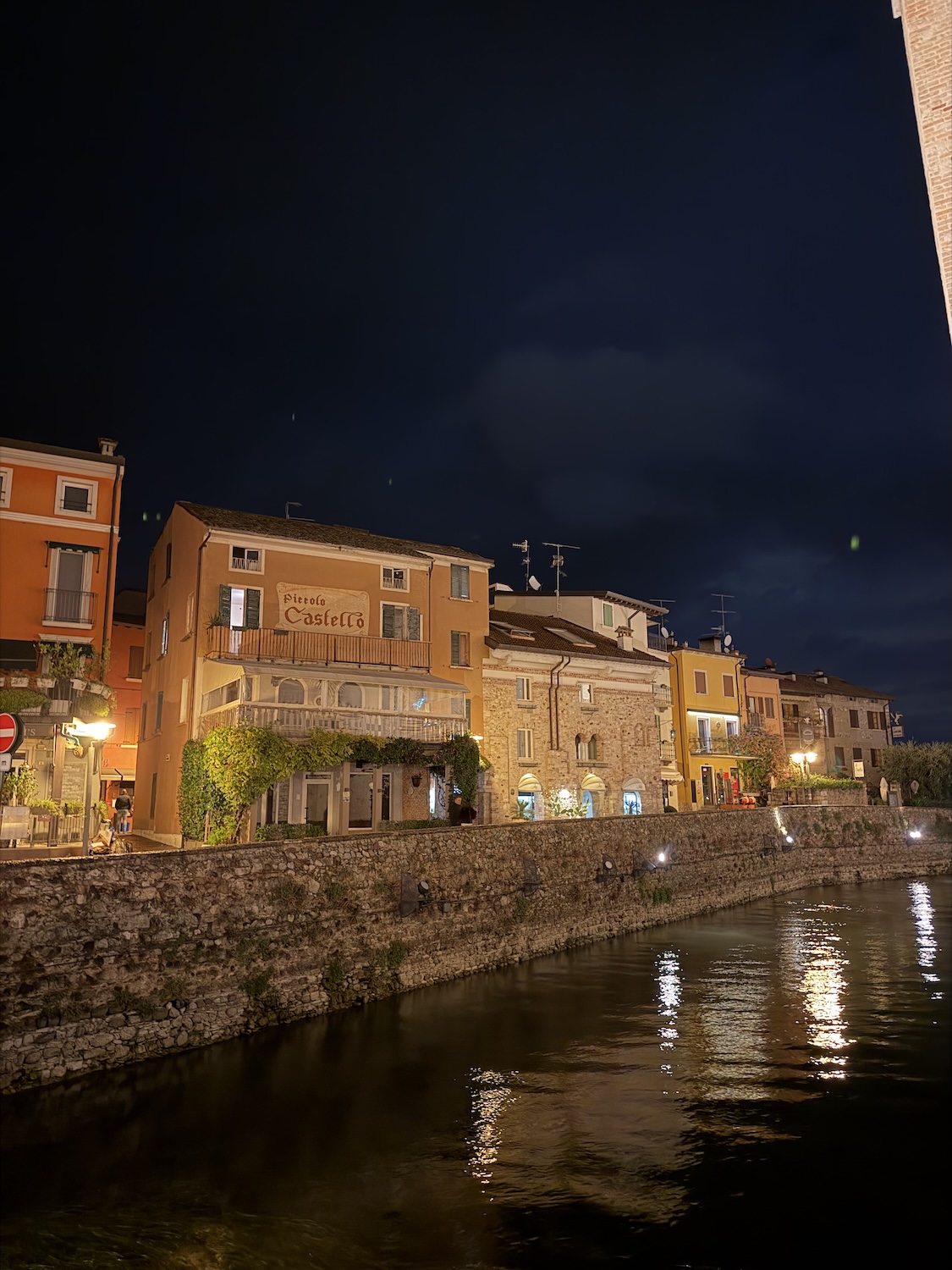
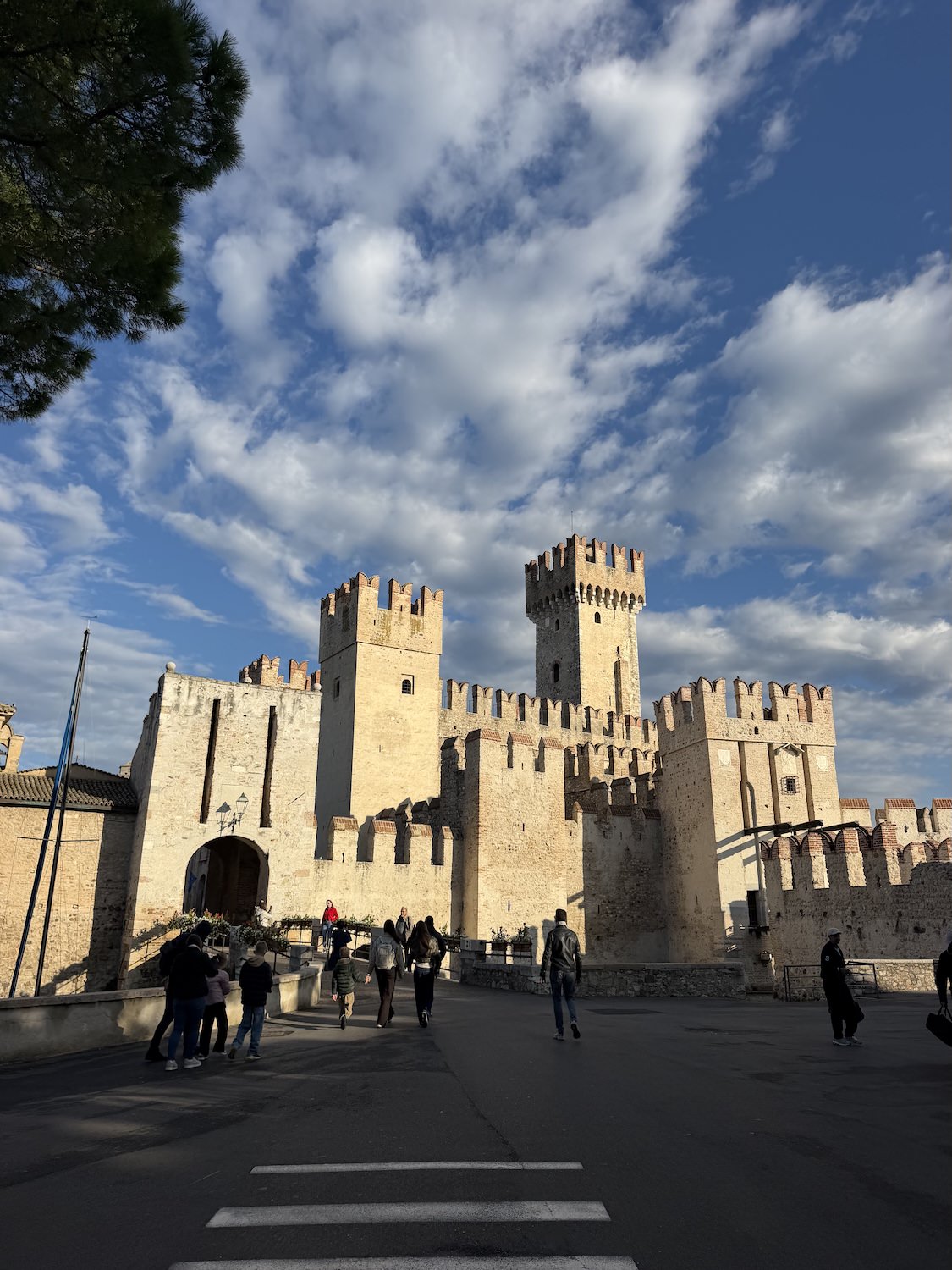
From Verona, on towards Lake Garda. Lake Garda and Sirmione. If there is a place that looks like the set of a romantic Italian film, it is Sirmione. That is why I am such a frequent visitor to this little town on a narrow peninsula reaching deep into the lake, with its Scaliger Castle, narrow streets and no tourists at night.
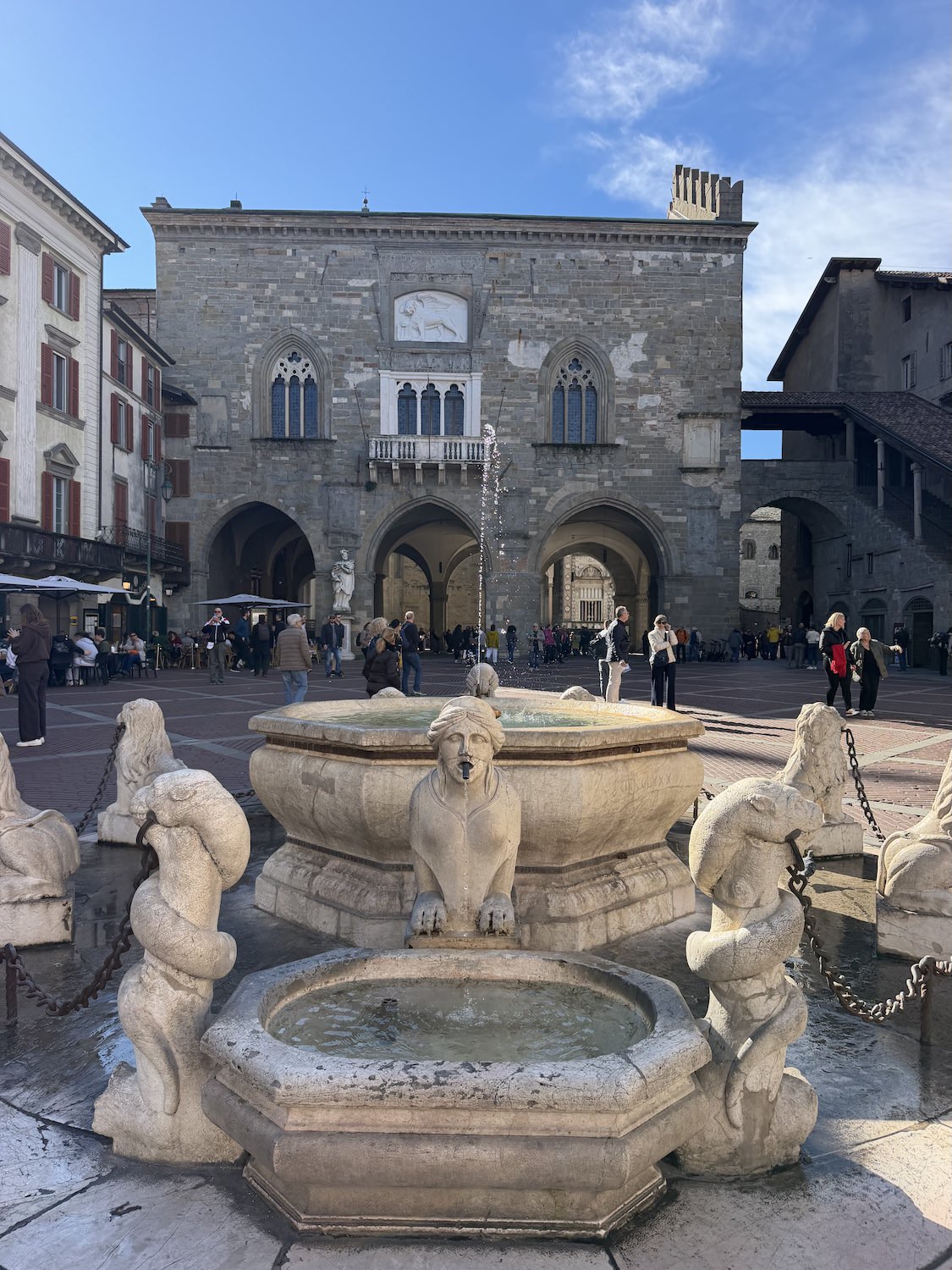
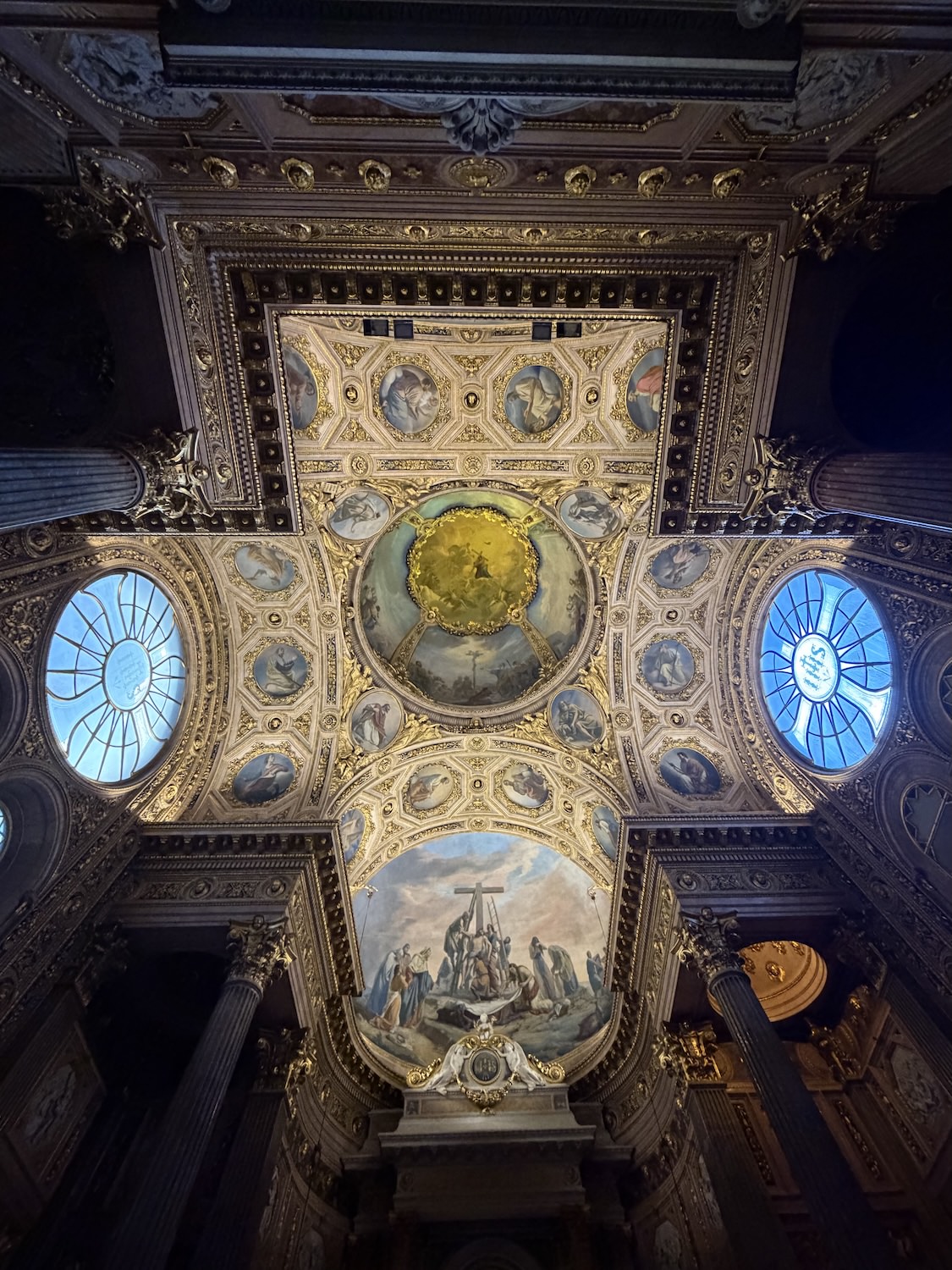
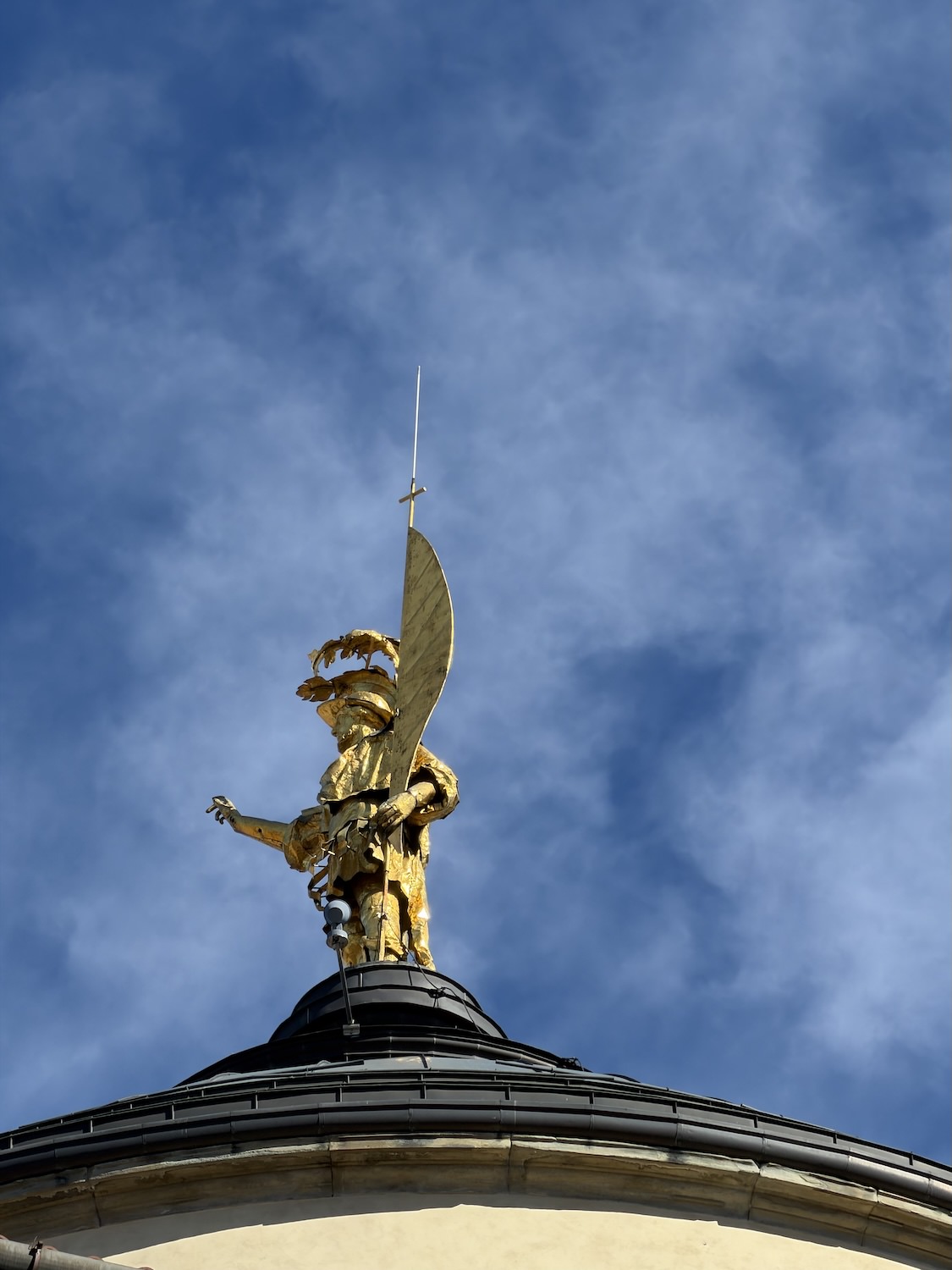
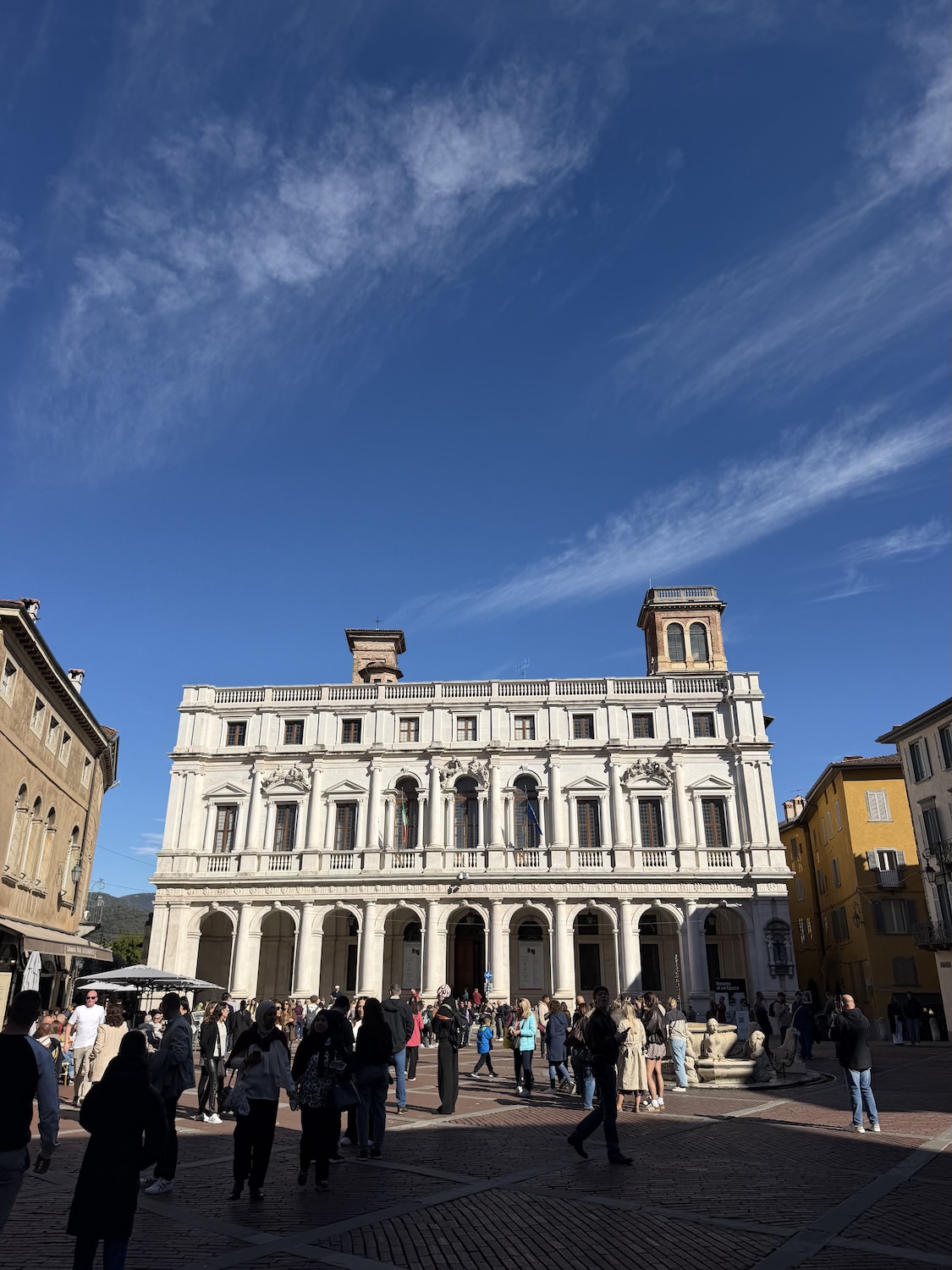
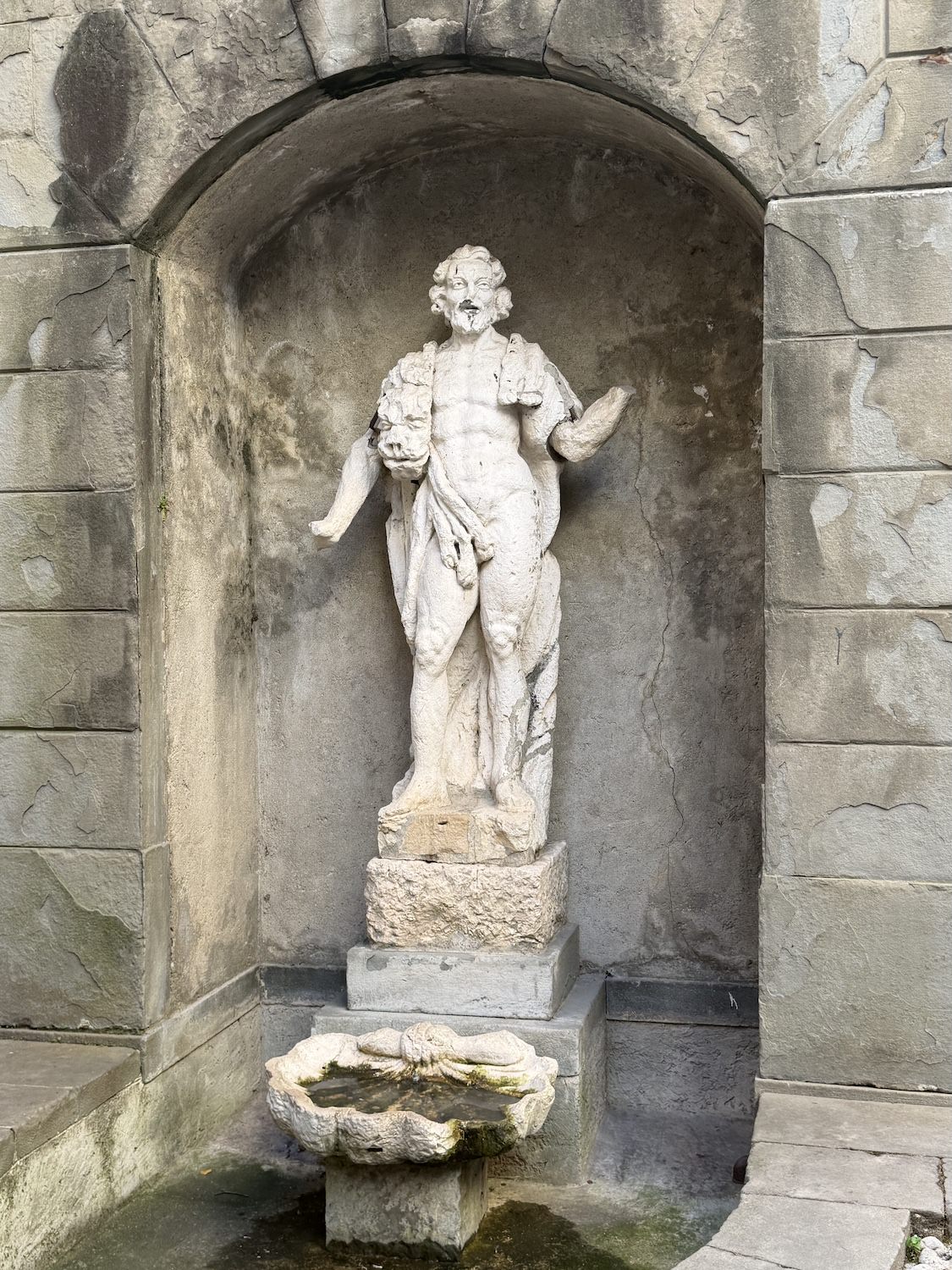
Then Bergamo. Or, more precisely, Città Alta. For me, one of the most beautiful parts of this trip. The old town high above modern Bergamo, surrounded by Venetian walls and narrow cobbled streets. A city with huge numbers of tourists, but well worth visiting.
Genoa is completely different. A large port city, a little rougher, less polished and far more authentic. Proper Italian city life, where narrow streets, imposing palaces and the port all come together. A city with character. You may not like it at first sight, but it has something that makes you remember it. Above all, it is not sterile.
Portofino. A postcard that someone forgot to print. A small bay, colourful houses, the sea and yachts. The sort of place where you get the feeling everything has been arranged precisely to look perfect in a photograph. The price of every square metre is probably suitably perfect too. But it is wonderful for a walk and for enjoying the views. Once you look past all the glamour it has acquired over the decades, there is a beautiful stretch of Italian coastline left.
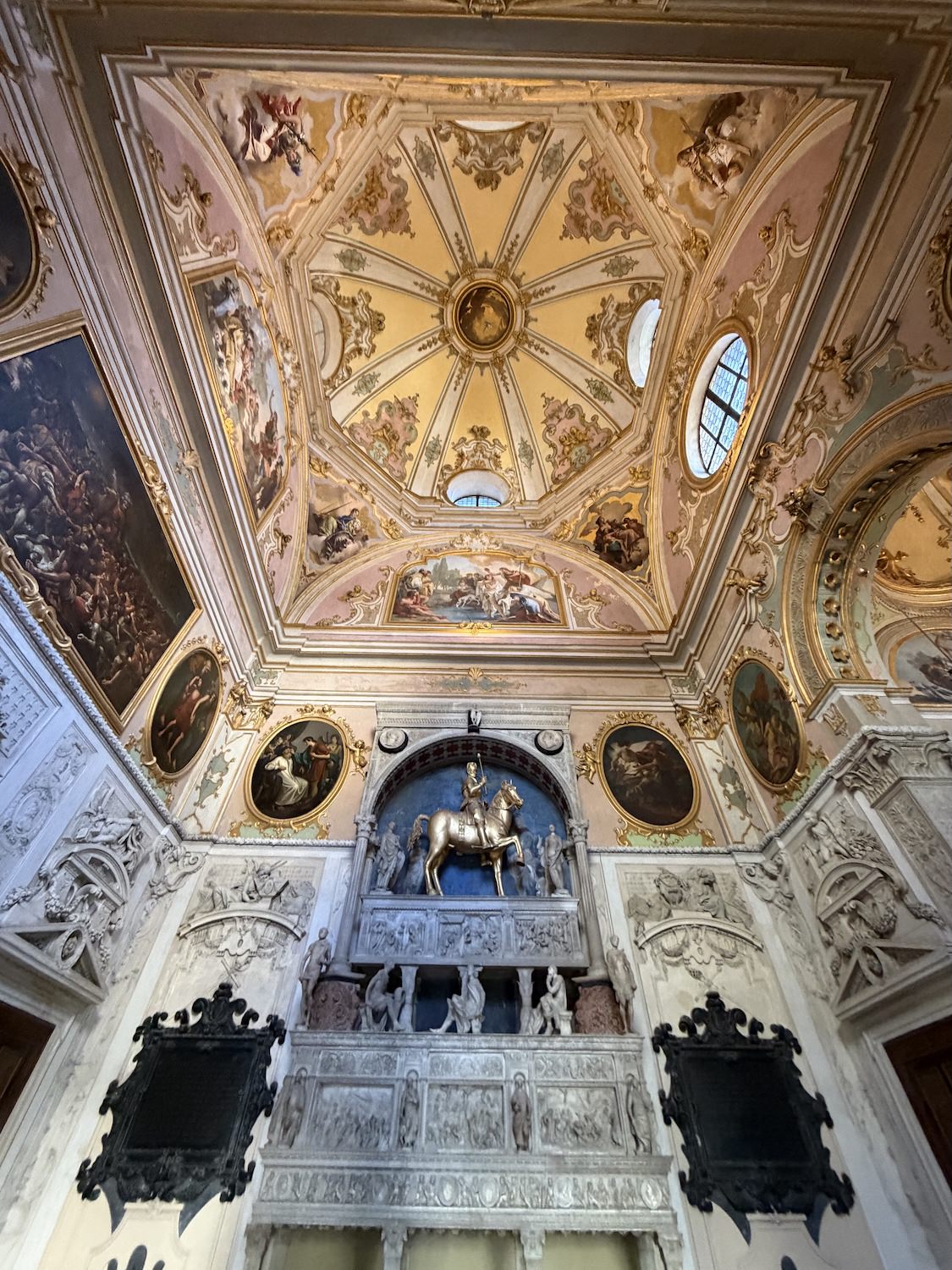
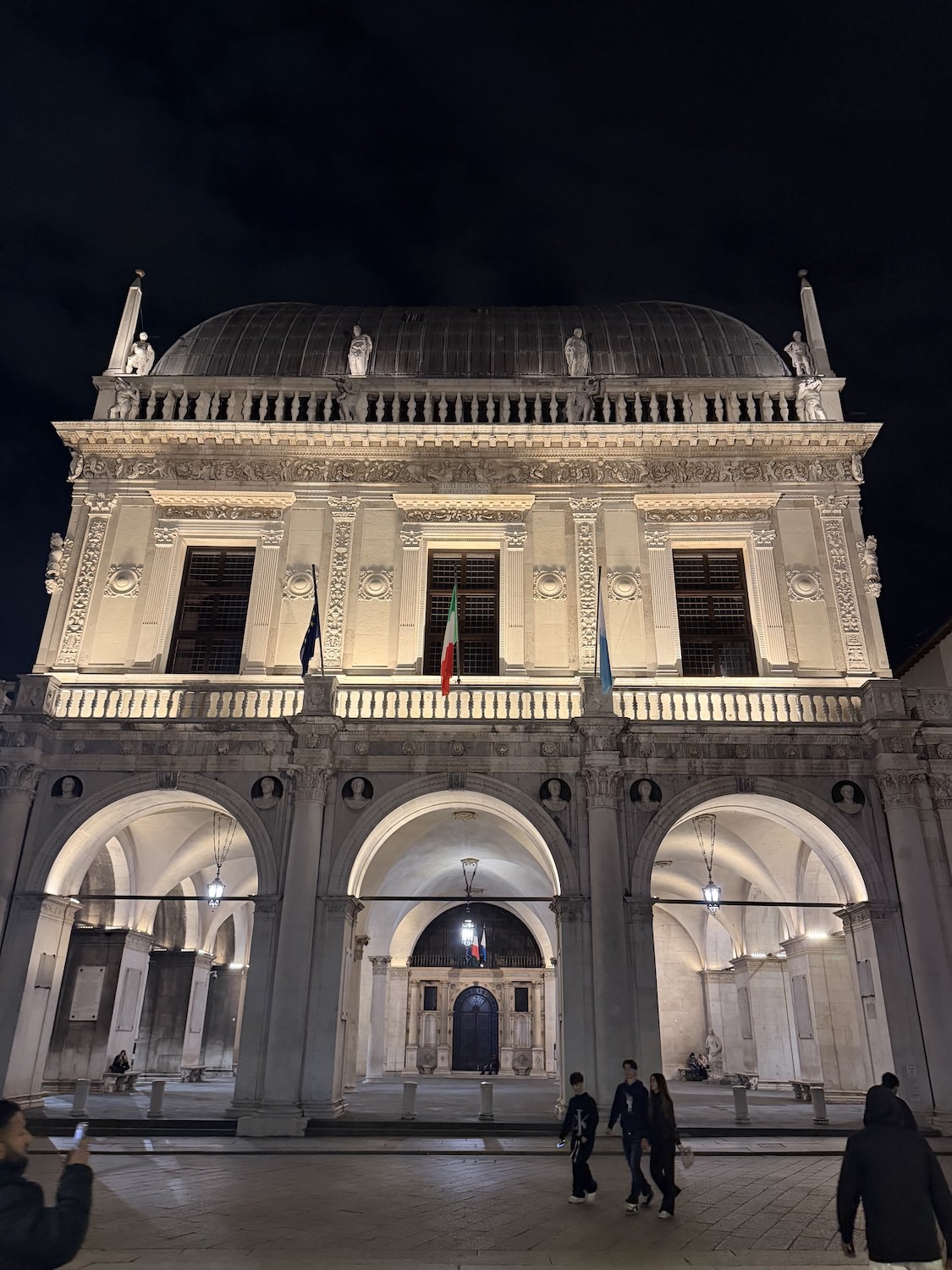
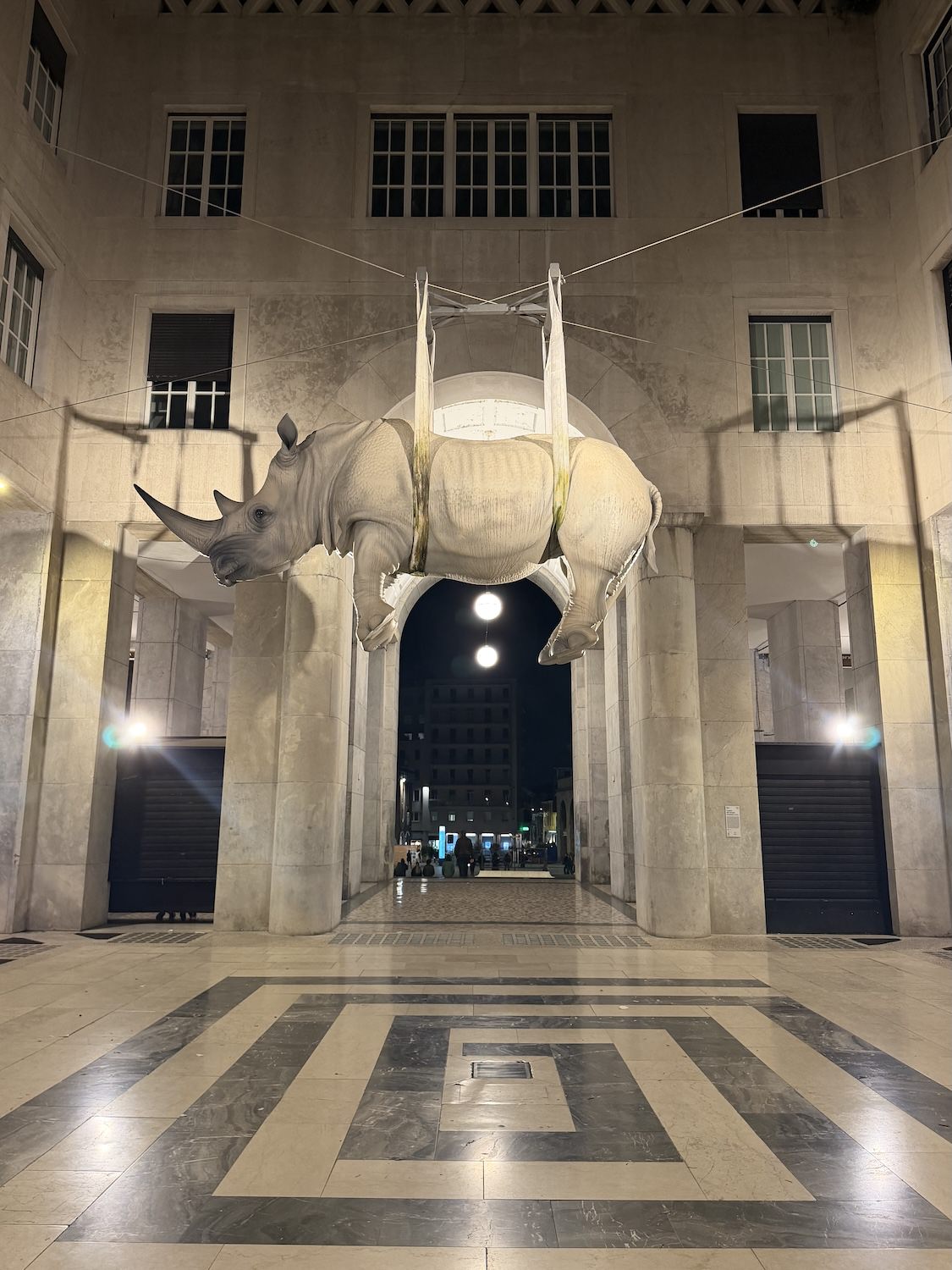
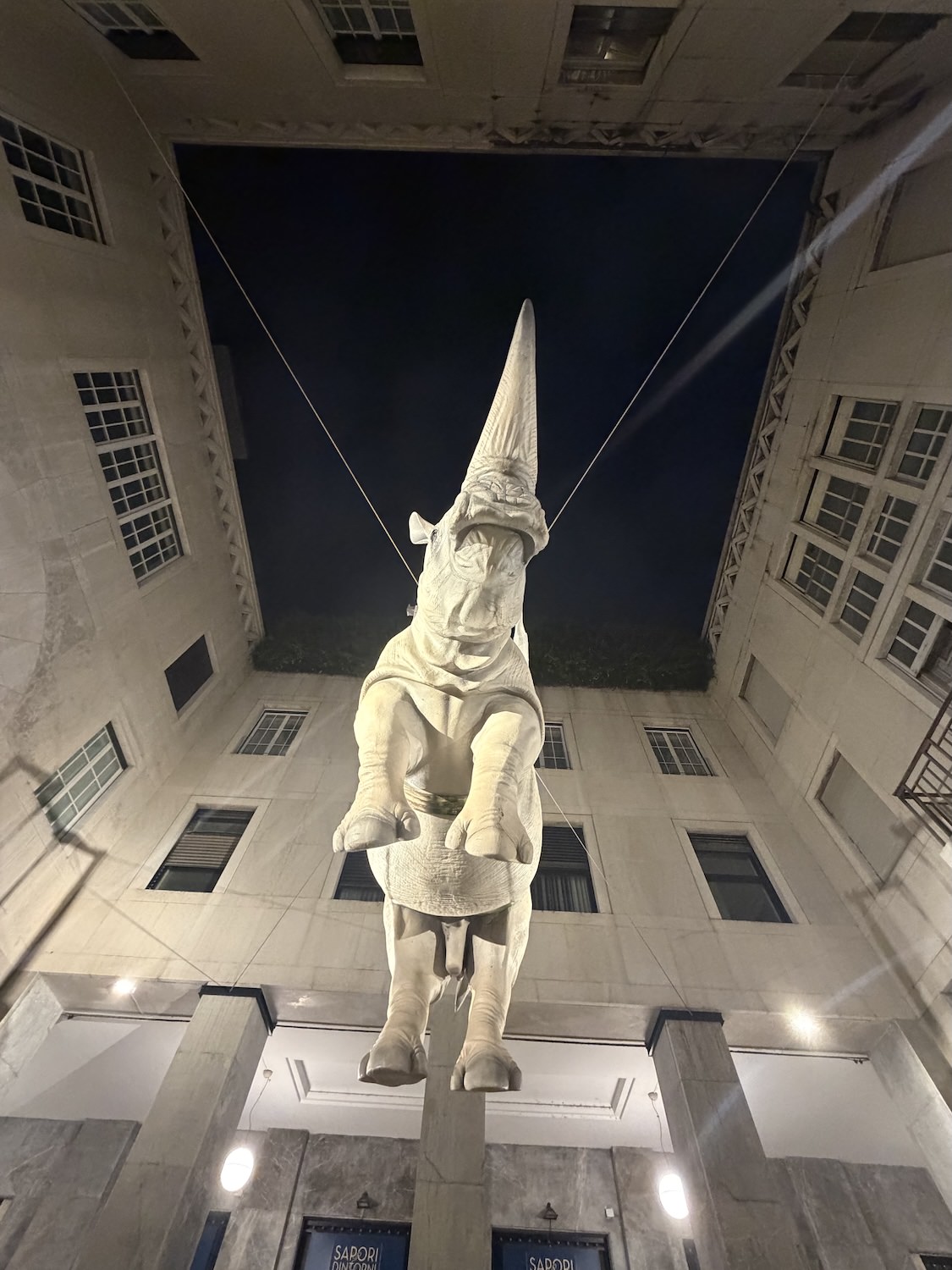
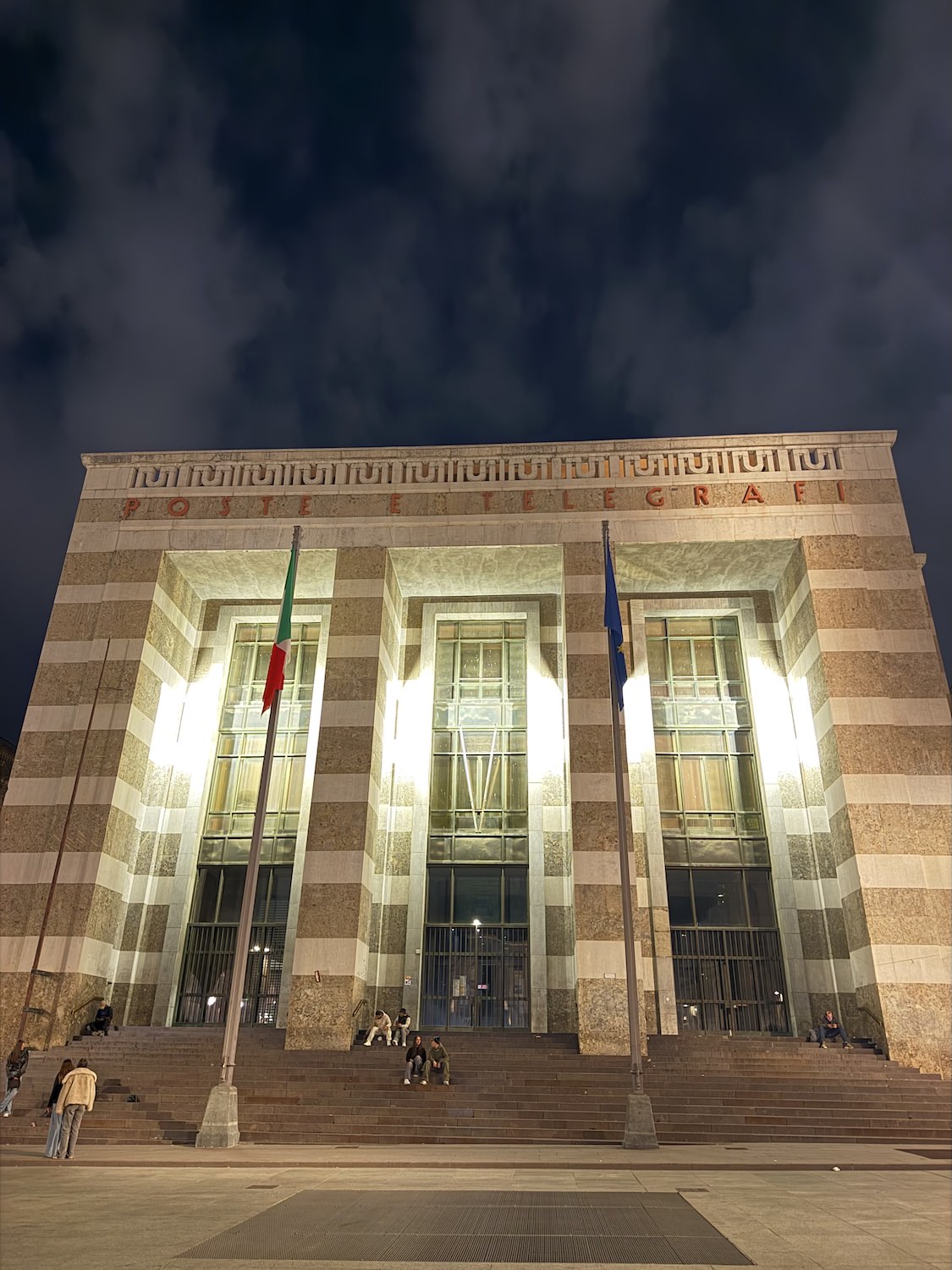
Brescia is far less famous as a tourist destination, which is precisely why it has its own charm. A historic town centre, squares, Roman remains and that feeling that you are not merely another tourist delivered by coach. Italy has countless cities like this, which most tourists simply pass by on their way to better-known destinations. And they are often the best surprise.
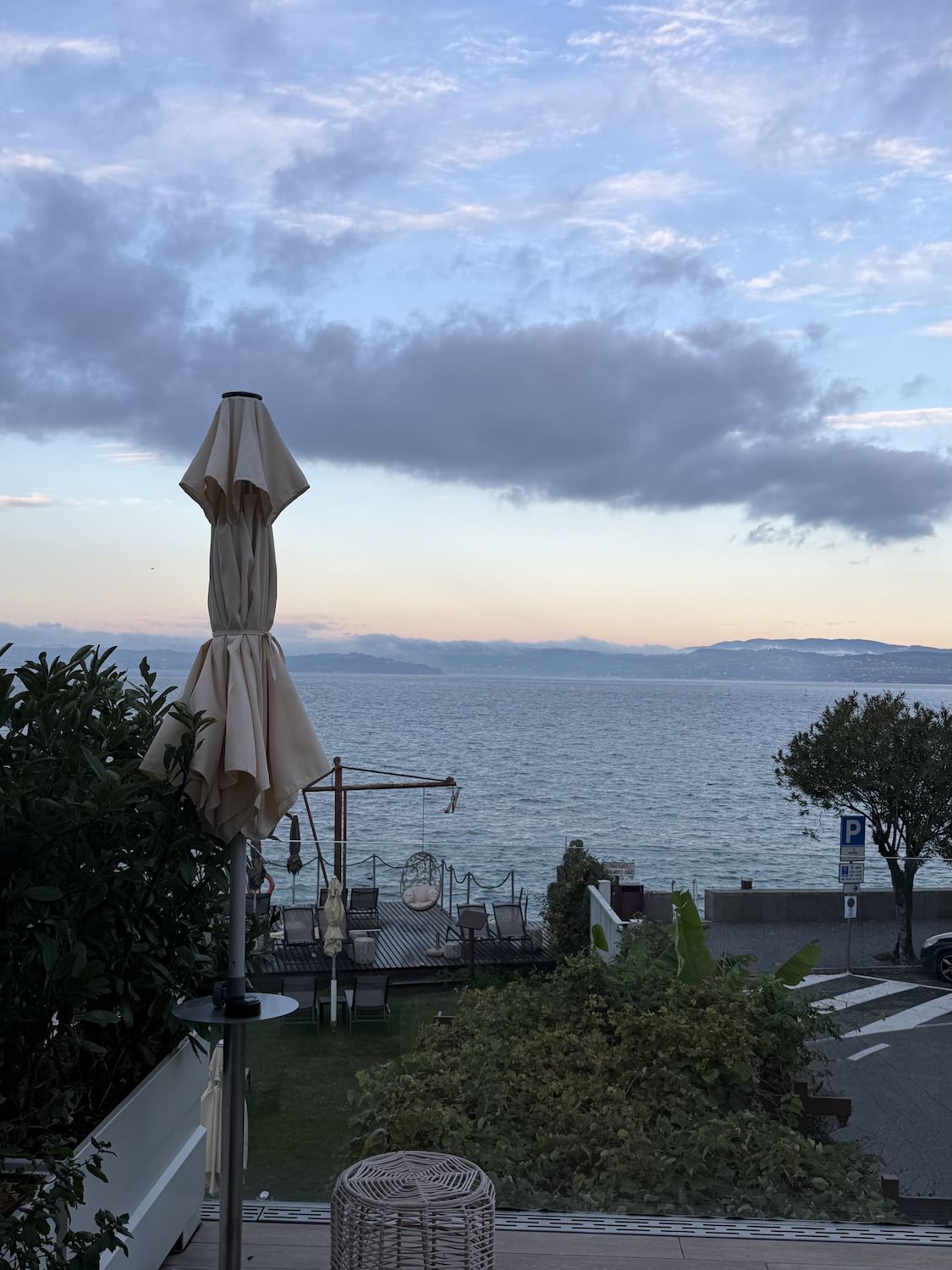
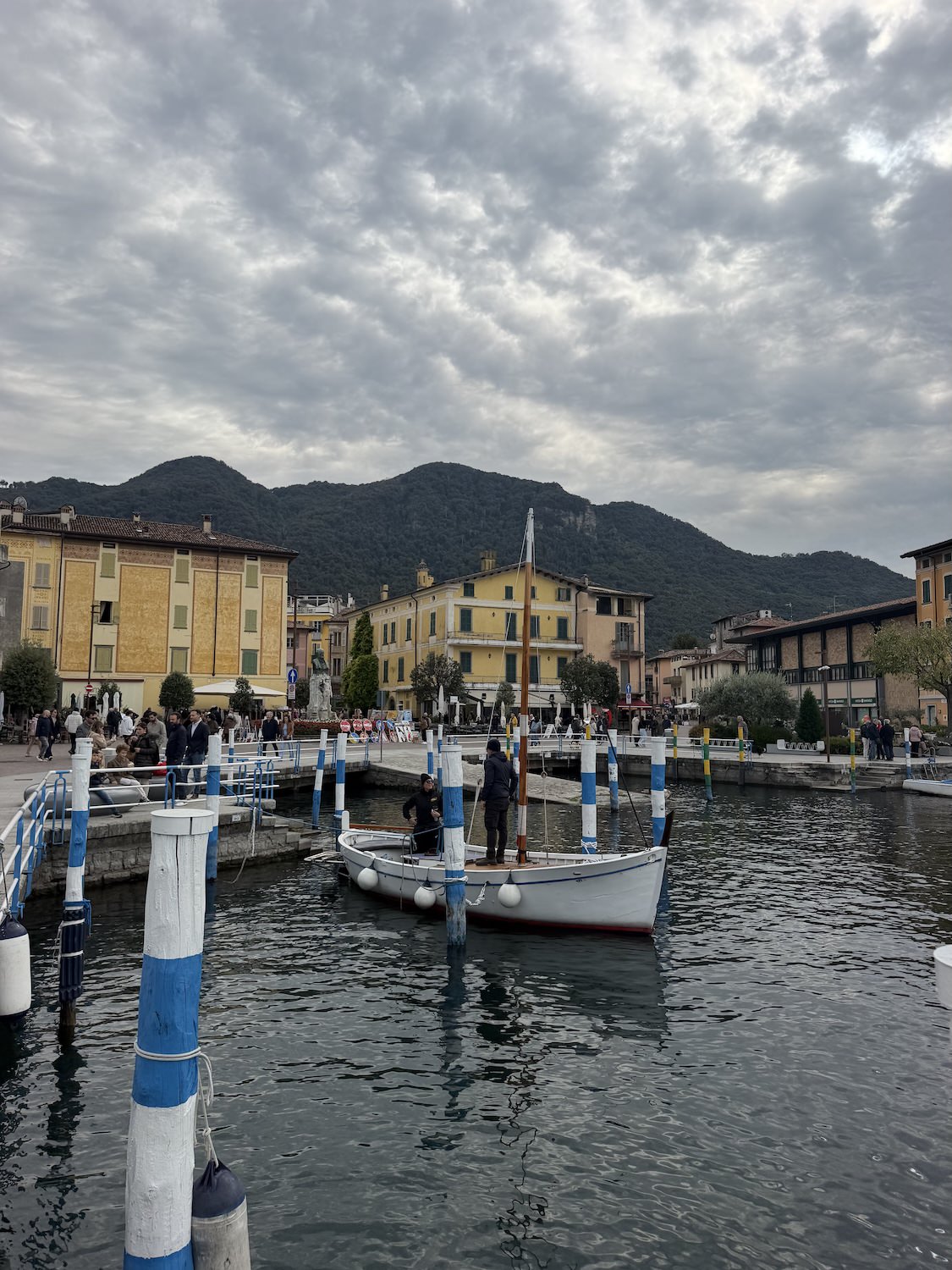
Finally, Lake Iseo. A lake that receives far less media attention than Garda or Como, but is no less beautiful for it. Water, hills, small settlements and a much quieter world. The part of Italy where you want simply to sit beside the lake and stare into the distance. No phone. No notifications. No need to post anything on Instagram. If Garda is a tourist magnet, Iseo is its much quieter relative.
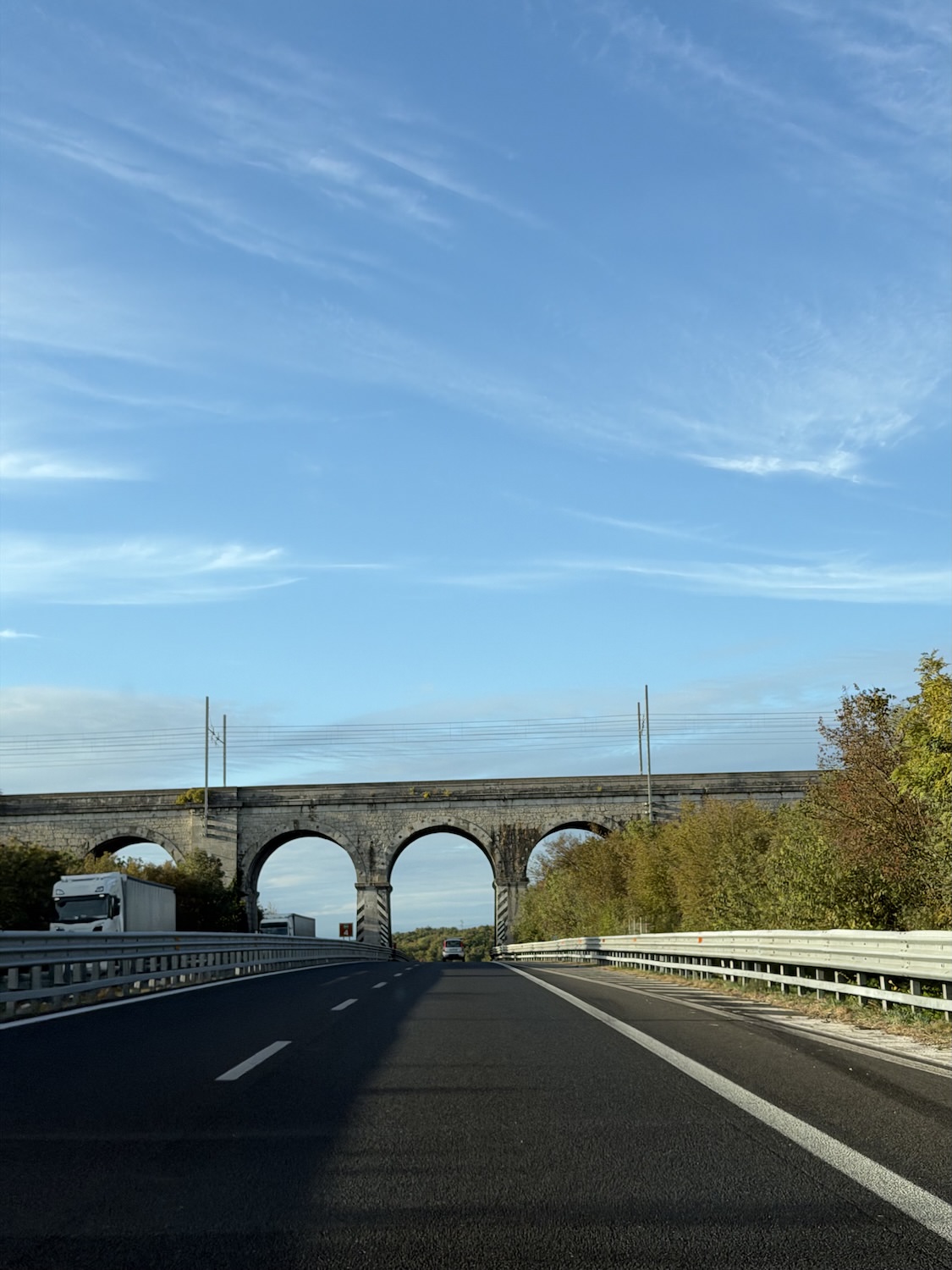
There were a couple of outlets along the way too. For the soul. Because that is just the time we are living in. Then the drive home. 1,300 kilometres of Italian motorways and roads, without traffic jams, without any particular stress and without needless irritation. Even though Italians have a rather different relationship with traffic rules than we do. Traffic flows on the motorways, drivers move over, and apparently it is possible to cover huge distances without feeling as if you are in the middle of a battle for survival. The only weak point is the toll booths, because people do not seem entirely sure what they are meant to do there, and it takes forever.
A word about electricity too. Because I know there will always be someone who starts explaining that electric cars are not suitable for long journeys. That you constantly have to look for charging stations. That you have to wait. That driving an electric car is stressful and diesel is still king.
Well, my experience is completely different. 1,500 kilometres and €44 for electricity. If I calculate current fuel prices and the consumption of a “fossil-fuelled” vehicle, the cost would have been around €250. Still less than a four-star hotel on Lake Garda costs at this time of year. Or a visit to a Michelin restaurant.
€107 for Italian tolls is another story. Italian motorways are not cheap and, when you add up all the sections, you realise you paid more than twice as much for tarmac as for the energy that got you to your destination. Which is actually rather funny. Driving an electric car is so cheap that tolls become the biggest direct cost of the journey.
Italy reminded me once again why I enjoy travelling there so much. The cities, the people, the sea, the lakes, the architecture, the loud people and that feeling of freedom when you do not necessarily have a fixed destination and can change your mind about which way to turn. Because the idea was to visit Bologna. And after five kilometres on the motorway, Slovenia reminded me why it can sometimes be very pleasant to cross the border.